Chance Based Rewards Bringing Variety To Interactive Gameplay
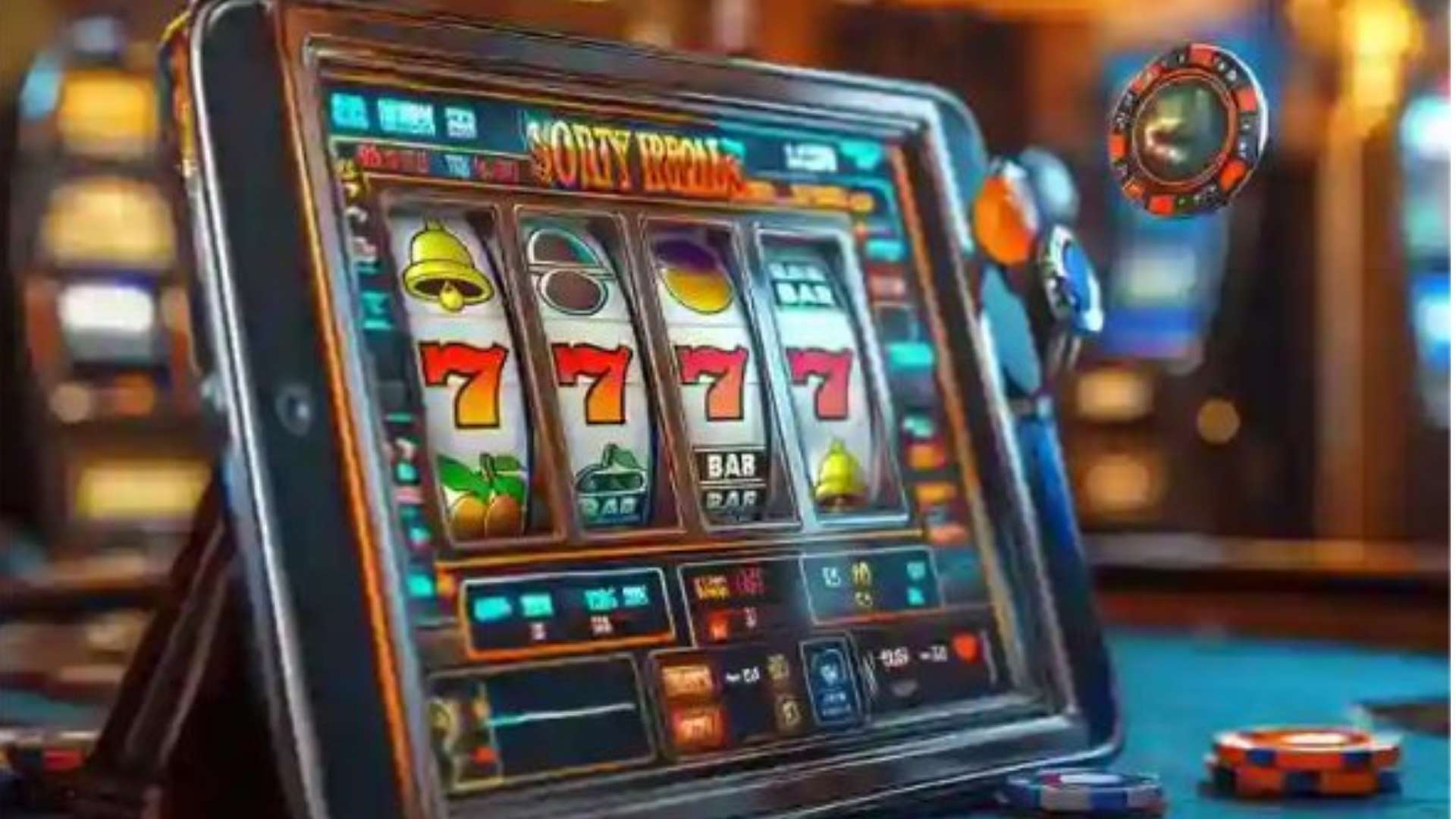
Interactive entertainment relies on diverse reward distribution to maintain player interest over long periods. When game mechanics incorporate unpredictable prizes, standard loops transform into dynamic sessions filled with anticipation. By introducing probabilistic elements, game designers can create meaningful variation without altering core gameplay rules.
The Mechanics of Probabilistic Reward Systems
Uncertainty in gaming stems from mathematical algorithms designed to distribute items based on distinct probability tiers. These systems ensure that routine actions yield different results, preventing repetitive tasks from feeling monotonous. Modern titles implement these rules to sustain curiosity across extended sessions.
By varying the rarity of prizes, developers can shape how players prioritize their goals within a digital world. High-tier items offer strong motivation, while common drops provide steady baseline feedback. This balance encourages players to adapt their strategies based on the outcomes they receive.
Sustaining Engagement Through Unexpected Incentives
Unpredictable payouts trigger a heightened psychological response compared to static progression systems. When an outcome remains uncertain, the anticipation surrounding every attempt creates genuine excitement. Players naturally pay closer attention to game events when surprise rewards remain a constant possibility.
This ongoing dynamic helps prevent burnout during repetitive challenges. A well-designed variable system keeps sessions feeling unique, even when the underlying tasks remain unchanged. Consequently, players remain eager to see what each new attempt might unlock.
Integrating Variety into Game Progression
Integrating chance into progression models prevents games from feeling like rigid checklists. Instead of following a predictable path, players encounter unexpected boosts that alter their ongoing journey. Players interested in exploring how modern platforms balance these mechanics can check slot boss for detailed analysis on digital trends. These variations break routine and keep progression feeling continuous and fresh.
Dynamic drops also encourage players to experiment with new playstyles. Receiving a unique item unexpectedly often prompts a player to test alternative strategies. This spontaneous adaptation adds extra layers of replayability to the overall design.
Balancing Randomness with Skill-Based Mechanics
While chance-based rewards bring exciting variety, game creators must balance randomness with player agency. Excessive unpredictability can lead to frustration if achievements feel disconnected from effort. Successful titles overcome this by pairing random bonuses with deterministic milestones.
Guaranteeing minimum progression paths ensures that players feel valued for their time investment. When chance supplements skill rather than replacing it, the overall system feels both fair and engaging. This thoughtful design philosophy supports healthy long-term participation.
The Evolution of Dynamic Gameplay Systems
As technological capabilities expand, dynamic reward structures become increasingly sophisticated. Advanced systems analyze player interactions to deliver tailored incentives that fit individual play patterns. This personalized approach maximizes enjoyment without disrupting game balance.
The integration of unpredictable elements remains a cornerstone of interactive design. By continually refining how chance rewards are deployed, developers create vibrant environments that remain engaging for years to come.