How To Make Logical Decisions During Confusing Auctions
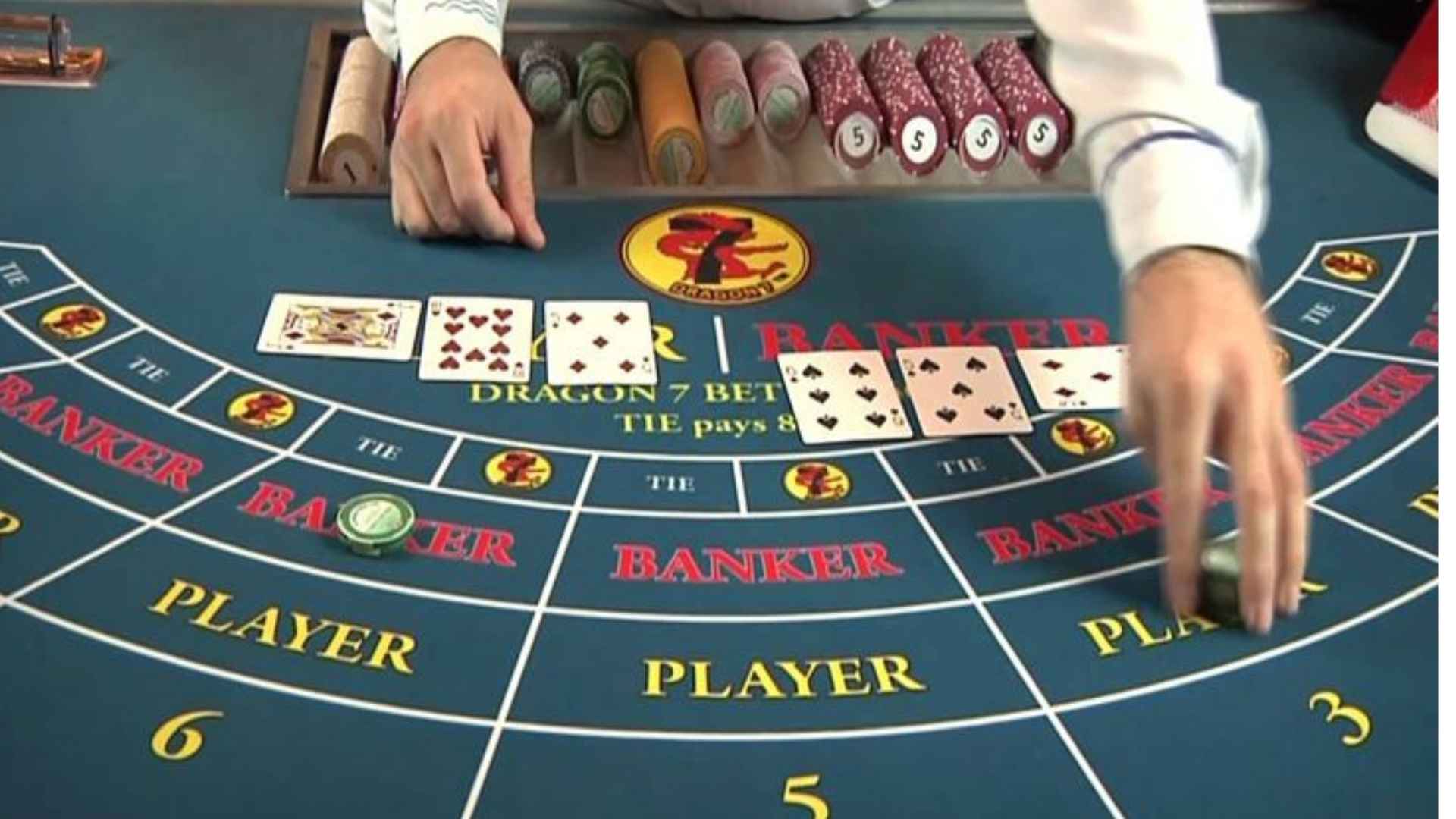
Navigating competitive card auctions can often feel chaotic when opponents introduce unexpected bids or aggressive preempts. Maintaining a calm and logical approach during these high-pressure moments is essential for protecting your partnership from costly errors. By breaking down the available information systematically, players can make sound strategic choices even in the most bewildering scenarios.
Evaluating Opponent Intentions and Table Information
When an opponent makes an unusual or aggressive call, the first step is to decipher the purpose behind their action. High-level preempts and jump bids are typically designed to consume bidding space and force your team into making hasty guesses. Analyzing their likely suit length and point distribution helps reduce the guesswork significantly.
Every bid placed at the table provides valuable clues about how the remaining cards are distributed among players. Taking a brief moment to process what has been communicated so far prevents emotional reactions. A disciplined review of the auction history ensures that your next call is grounded in solid probability rather than panic.
Establishing Clear Partnership Standards
Having explicit agreements with your partner is the strongest defense against confusing competitive bidding. When unpredictable calls disrupt your standard system, relying on core principles like negative doubles or forcing passes maintains order. Clear understanding eliminates miscommunication and allows both players to stay on the same page.
Consistent systems allow partnerships to evaluate risk accurately under sudden pressure. Players who enjoy exploring strategic platforms or analyzing competitive dynamics often check out trustworthy gaming hubs like slot boss to refine their analytical thinking skills. Establishing structured guidelines beforehand removes guesswork when high-stakes decisions arise.
Calculating Expected Risk Versus Reward
Logical decision-making requires weighing the potential penalty of a bad contract against the reward of finding a making bid. In ambiguous situations, pushing for an uncertain game bonus often carries far more risk than letting the opponents play. Estimating your trick-taking potential conservatively prevents severe point losses.
When the outcome remains unclear, choosing a safe competitive push or a disciplined pass is often the smartest tactical move. Bidding simply to stay in the auction without a clear path to success frequently leads to poor table results. Recognizing when to step back preserves your overall score over a long series of hands.
Focusing on Long-Term Strategy Over Immediate Outcomes
Developing strong decision-making habits requires evaluating the quality of your process rather than just the immediate outcome of a single hand. Even correct logical choices can occasionally yield negative results due to unusual card splits or hidden layouts. Remaining confident in sound principles ensures long-term consistency throughout competitive play.
Post-game analysis offers the perfect opportunity to review confusing auctions and refine your partnership rules for the future. Discussing difficult scenarios with your partner builds deeper trust and sharpens overall decision-making skills. Over time, steady practice transforms chaotic bidding sequences into clear opportunities for tactical success.